MPTAAS Eligibility for Applicants with Dual or Foreign Ties.
The Madhya Pradesh Tika and Administrative Assistance Scheme (MPTAAS) is designed to provide administrative assistance and benefits to eligible residents of Madhya Pradesh. However, applicants with dual citizenship or foreign ties may face additional requirements or restrictions based on their legal status in India. This article outlines the eligibility criteria for MPTAAS applicants with dual citizenship or foreign citizenship.
General Eligibility Criteria for MPTAAS:
- Applicants must be residents of Madhya Pradesh.
- Those holding foreign citizenship or dual citizenship may be considered ineligible unless they meet the specific residency requirements defined by the scheme.
- Indian citizens are typically eligible.
- Foreign nationals or persons holding dual citizenship may need to provide proof of residency in Madhya Pradesh for a specified period. Jan Soochna Portal
- Applicants with dual citizenship may need to provide additional documents verifying their legal status in India.
- The government may ask for proof of address or other residency-related documents if the applicant has foreign ties.
- Those with foreign ties or dual citizenship may be asked to demonstrate a strong connection to India, such as a long-term stay or financial/administrative involvement in the state
Special Considerations for Dual Citizenship or Foreign Ties:
Importance of MPTAAS for Residents of Madhya Pradesh
MPTAAS plays a crucial role in enhancing the welfare of residents in Madhya Pradesh, offering various benefits aimed at improving the standard of living. It provides not only administrative assistance but also helps with accessing essential services that are directly linked to the state’s development programs. This section can elaborate on the specific advantages for Madhya Pradesh residents and explain the selection criteria, helping to contextualize the importance of the scheme for eligible individuals.
Key Benefits of MPTAAS for Eligible Applicants
Financial Assistance: Provides direct financial support to eligible residents, helping with education, health, and other essential needs.
Access to Government Programs: Eligible applicants gain easier access to various government initiatives and welfare schemes.
Administrative Support: Offers help in navigating bureaucratic processes, making it easier to avail of state-run services.
Social Welfare: Assists applicants in improving their social standing by providing support for vulnerable populations, including women, children, and the elderly.
Common Challenges in the MPTAAS Application Process
- Applicants with dual citizenship or foreign ties may face difficulties in submitting all required documents, such as proof of Indian citizenship or long-term residency.
- Proving long-term residency in Madhya Pradesh can be complex for applicants with foreign citizenship, requiring additional evidence like employment or educational records. eDistrict UP
- Applicants holding a foreign passport may need to renounce their foreign citizenship to meet eligibility criteria, which can delay or complicate the application process.
- Some applicants may not be aware of the full scope of the residency requirements, leading to confusion about the necessary steps for eligibility.
How Dual Citizenship Affects MPTAAS Eligibility
Dual citizenship complicates the eligibility process for MPTAAS, as the scheme typically prioritizes Indian citizens and residents. Applicants with dual citizenship may need to:
Steps to Apply for MPTAAS with Dual Citizenship
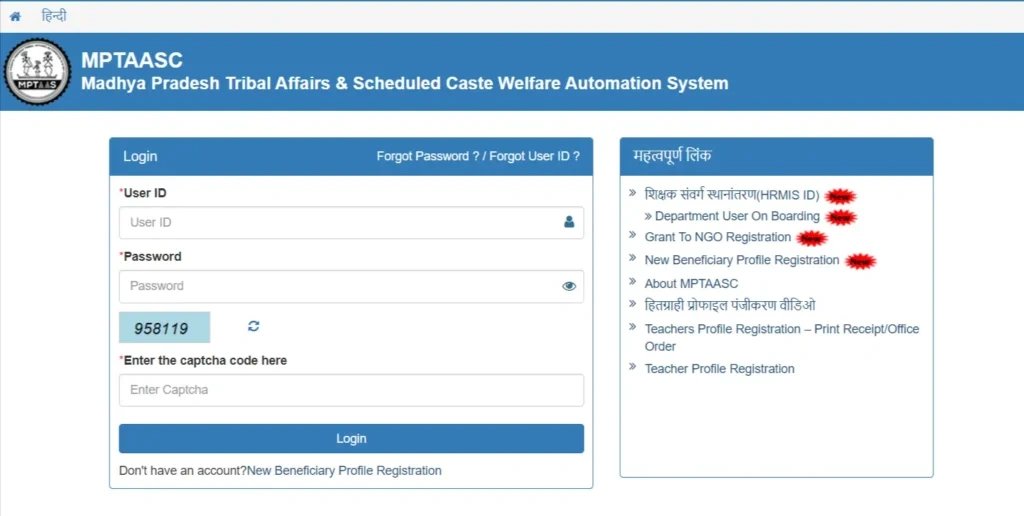
If you have dual citizenship and wish to apply for MPTAAS, follow these steps:
Gather Documentation:
Collect proof of residency in Madhya Pradesh, valid identification documents, and citizenship details.
Provide Additional Information:
You may need to submit additional documentation to prove your legal status in India and verify your long-term stay in the state.
Submit the Application:
Complete the application form and submit it along with the required documents to the relevant authorities in Madhya Pradesh.
Renounce Foreign Citizenship (if necessary):
If required, follow the necessary procedures to renounce your foreign citizenship.
How to Prove Residency in Madhya Pradesh
For applicants with dual citizenship or foreign ties, proving residency in Madhya Pradesh can be crucial to eligibility. Here are some ways to establish your residence:
Proof of Address:
Utility bills, lease agreements, or government-issued documents showing your address in Madhya Pradesh.
Employment or Educational Proof:
Documents showing long-term employment, business registration, or education in the state.
Family Ties:
Proof of family residence in Madhya Pradesh, such as parentage or marriage certificates.
FAQs
Final Words
While applicants with dual citizenship or foreign ties can apply for MPTAAS, it’s important to ensure that all residency requirements are met and the appropriate documents are submitted. Keep in mind that the scheme is designed to prioritize the welfare of residents within Madhya Pradesh, and any deviation from the residency or citizenship guidelines may require additional scrutiny.
For the most accurate and up-to-date information, it is recommended to consult the official MPTAAS guidelines or approach local authorities to confirm specific eligibility requirements.