How MPTAAS Ensures Fair Distribution for Diverse Groups 2026
If you’ve ever worried that government benefits might not reach the right people on time, you’re not alone. That’s exactly why If you’ve ever wondered how government benefits are distributed fairly and on time, you’re not alone. That’s the purpose behind MPTAAS (Madhya Pradesh Tribal Affairs & Scheduled Caste Welfare Automation System)—to ensure the fair distribution of scholarships and welfare benefits to eligible communities like ST/SC (and in some cases, OBC) in Madhya Pradesh. With the aim of promoting transparency, trackability, and fairness, MPTAAS strives to remove biases and streamline the entire process.
Standard eligibility rules (same criteria across districts)
Fairness starts with having clear, standardized eligibility rules. MPTAAS follows consistent criteria across districts, ensuring that all applicants are judged by the same standards, which helps to reduce personal influence and favoritism. Key eligibility requirements include:
By adhering to these standards, the application process becomes predictable and consistent.
Identity + document verification to reduce wrong claims
To prevent duplicate or fake applications, MPTAAS processes generally require verified details such as:
This supports fairness by reducing:
Institute verification (reduces “ghost” admissions and mismatched data)
Fake admissions and incorrect data often cause delays in scholarships. MPTAAS ensures that institution-level verification is included, which confirms the applicant’s admission and course details. This helps in reducing:
This helps reduce:
Direct Benefit Transfer (DBT) to cut middlemen
A major fairness feature is Direct Benefit Transfer (DBT)—payments go directly to the beneficiary’s bank account.
Many MPTAAS guides describe scholarship disbursal as a structured process that ends in direct bank transfer, with careful verification of applicants’ foreign ties.
Status tracking
When you can see statuses like:
Notifications + deadlines
Fair distribution also depends on timing. Students in remote areas are usually the first to miss out when deadlines are unclear.
That’s why date-based notifications matter, including official updates and last-date notices linked to the overall process.
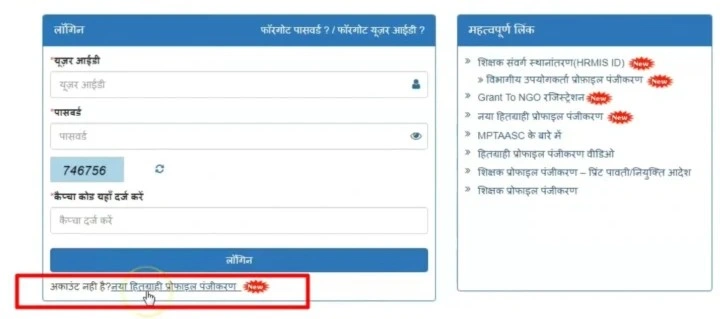
Access options (web + mobile) to reduce dependency on agents
Not everyone has a laptop. Many students apply using a phone.
MPTAAS has been described online as accessible via a web portal and an Android app. (Note: always prefer official sources for the most accurate app/portal links.)
Why access matters for fairness:
Reality check: delays can still happen
Even well-designed systems can face delays due to backlogs, operational issues, or funding cycles.
For example, a 2025 report mentioned student protests in Indore over pending scholarship/allowance issues and demands connected to portal functioning for hostel allowances.
This doesn’t automatically mean the design is unfair—just that implementation and administration also affect outcomes.
Tips to avoid rejection or payment delays
These are common issues that slow down payments even when you’re eligible:
Keep Aadhaar/Samagra/bank details consistent
Spelling or DOB mismatches can block verification or payment.
Use a bank account in the student’s name
Wrong account ownership or unverified details often cause delays.
Upload clear, valid certificates
Blurred scans or expired income certificates are common rejection triggers.
Don’t apply on the last date
High traffic can cause failed submissions, missing uploads, or timeouts.
Check status regularly until approved/paid
If corrections are requested, fast action can save weeks.
How MPTAAS Supports Transparency and Accountability
One of the cornerstones of the MPTAAS system is its commitment to transparency and accountability. By ensuring that each step of the process is tracked and visible to applicants, the system reduces chances of bias or corruption. This section could explore the features of MPTAAS that foster accountability, such as:
How MPTAAS Impacts Students and Beneficiaries in Remote Areas
MPTAAS plays a pivotal role in ensuring that the benefits reach all eligible applicants, especially those in remote areas of Madhya Pradesh. This section could delve into how MPTAAS helps:
How MPTAAS Enhances Efficiency and Reduces Administrative Burden
By digitizing the scholarship and welfare benefits system, MPTAAS has significantly improved the efficiency of processes that were previously paper-based. This section could explain how MPTAAS streamlines the application process and reduces the administrative burden on both applicants and government staff by:
The Role of MPTAAS in Strengthening Social Welfare in Madhya Pradesh
MPTAAS is not just a platform for distributing benefits—it is a tool for strengthening social welfare in Madhya Pradesh. This section could explore how the scheme contributes to the state’s development by:
FAQs
Final thoughts
MPTAAS improves fairness mainly through standard rules, verification, DBT payments, and transparent status tracking—all essential when benefits must reach people at scale.
Still, delays can happen in real life, so apply early, keep documents clean, and monitor your status until payment is confirmed.